
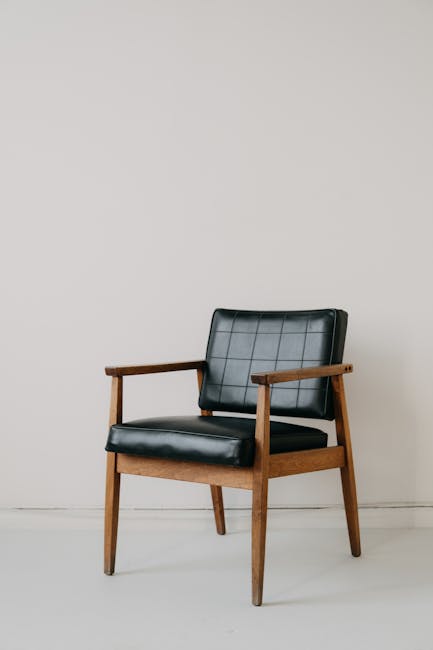

There's a particular joy in finding a neglected Ercol chair at a car boot sale, recognising what it is under the layers of grime and dodgy reupholstery, and knowing that with work it can become something beautiful again. Mid-century furniture restoration sits at an interesting intersection of craftsmanship and design appreciation, and getting it right requires understanding both.
The period we're talking about runs roughly from 1945 to 1970, though the boundaries are fuzzy. What defines it is an approach to design: clean lines, honest materials, form following function. The best pieces from this era feel both of their time and timeless, which is why they remain desirable and why restoring them well matters.
Telling real from reproduction
Before investing significant effort, make sure what you have is genuine mid-century rather than a later reproduction. The market for reproductions is healthy, and some are good quality, but original pieces generally justify more careful restoration work.
Construction tells you a lot. Genuine mid-century furniture typically used solid hardwood: teak, rosewood, walnut, beech depending on origin and manufacturer. Joinery was traditional, mortise and tenon joints and dovetails, not dowels or cheap fixings. Hardware was quality brass or steel. The design details were thoughtful throughout, not just on visible surfaces.
Look for maker's marks. Paper labels deteriorate but are often still present on the underside of drawers or backs of cabinets. Stamps or brands appear on hidden surfaces. Metal badges were common on British pieces. Catalogue numbers or model names help with identification and finding correct parts.
Wear patterns help too. Authentic pieces show consistent, period-appropriate wear. Patina developed over decades, not artificially aged. Wear appears on expected contact points: edges of chairs, handles, areas that hands touched regularly. The ageing of finishes should be consistent across the piece.
British makers to know
Ercol, based in Windsor, produced distinctive furniture in elm and beech, famous for spindle designs on chairs and settees. The blue label or stamped marks identify genuine pieces. They're still in business and supply some replacement parts.
G-Plan was the brand name for furniture produced by E. Gomme Ltd. Their teak pieces from the 1960s and 70s are particularly collectible, especially the long, low sideboards that define a certain style of room.
Nathan made quality sideboards and dining furniture, often featuring excellent teak veneer work. Less famous than G-Plan but well-made and increasingly appreciated.
Scandinavian imports were everywhere during this period. Danish, Swedish, and Norwegian furniture was widely imported and copied. Look for makers like Dyrlund or France & Son, or simply pieces marked "Made in Denmark," which often indicates quality.
Understanding the finishes
Period-correct finishing matters for both appearance and value. Mid-century furniture used specific finish types that should be respected in restoration.
Oil finishes were popular for Scandinavian pieces. Teak oil and Danish oil penetrate the grain, enhancing natural colour while providing protection that can be maintained with periodic reapplication. The look is natural and slightly matte.
Lacquer featured on many sideboards and case goods. Cellulose lacquer provides a harder, more durable surface than oil, with a slight sheen that works well on larger pieces.
Wax over a seal coat was common on Ercol furniture and some other British makers. This creates a softer sheen that develops patina over time and responds to regular maintenance.
Before refinishing anything, identify what the original finish was. Oil finishes absorb water droplets. Lacquer causes water to bead on the surface. Wax feels slightly soft and has a distinctive smell when rubbed.
Common problems
Water rings and heat marks are probably the most common damage on mid-century dining tables and sideboards. Those white rings drive people mad, but they're often fixable.
For oil-finished pieces, apply teak oil to the affected area, gently rub with very fine steel wool (0000 grade), blend into the surrounding area, then re-oil the entire surface for even appearance. For lacquer finishes, try rubbing with a cloth dampened with denatured alcohol. Stubborn marks may need careful wet sanding or professional re-lacquering.
Loose joints are extremely common after decades of use. Central heating cycles have done more damage to mid-century furniture than anything else. The wood expands and contracts, joints loosen, eventually things start to wobble.
Identify all loose joints, because they often fail in groups. Check for broken tenons or damaged mortises. Assess whether full disassembly is necessary or whether you can work with the piece partially assembled. Disassemble affected joints carefully, clean old glue from all surfaces thoroughly, apply fresh woodworking glue, clamp securely, and allow to cure fully.
Many mid-century chairs feature rubber webbing or foam upholstery that deteriorates. Original Pirelli webbing often perishes and needs replacing with specialist webbing from furniture suppliers. Match the original tension and pattern. Original foam frequently crumbles to dust and needs replacing with quality furniture foam. For complex upholstery work, hiring a professional often makes sense.
To refinish or not
The decision to refinish should be considered carefully. In some cases the original finish is so damaged that refinishing is obviously necessary. Previous poor-quality refinishing sometimes needs correcting. Functional use may require better protection than a damaged original finish provides.
But sometimes the original finish is intact, even if aged, and refinishing would remove character and reduce value. Pieces with significant collector value deserve more conservative treatment. Patina accumulated over decades contributes something that can't be recreated.
If you do refinish, strip the existing finish with appropriate stripper for the finish type. Sand carefully, progressing through grits without removing maker's marks. Dampen the wood slightly to raise the grain, let it dry, then final sand. Apply finish in multiple thin coats, sanding lightly between coats. Build protection gradually rather than trying to achieve it in one heavy application.
Hardware and replacement parts
Original hardware significantly affects value and authenticity. Clean it gently with appropriate products but avoid over-polishing brass, which removes the patina that indicates genuine age. Repair rather than replace when possible.
When replacements are necessary, contact the manufacturer directly since Ercol and some others still supply parts. Search specialist vintage furniture parts suppliers. Consider having pieces custom-made to match, which is often easier than you'd expect for simple handles and fittings.
The ethics question
Restoration involves ethical considerations that don't have single right answers. Some collectors prefer furniture showing honest age. Others want pieces returned to like-new condition. What's appropriate depends on the piece's significance and rarity, its intended use, whether the work is reversible, and market preferences if resale is planned.
Document your restoration work regardless of approach. Photograph before, during, and after. Note any replaced components. Keep original parts if you remove them. This documentation becomes part of the piece's history.
Browse furniture projects in our listings to see what's available, and check our guide on sourcing parts for vintage restorations for help finding what you need. Well-restored mid-century furniture can provide decades more service while preserving design heritage worth maintaining.