
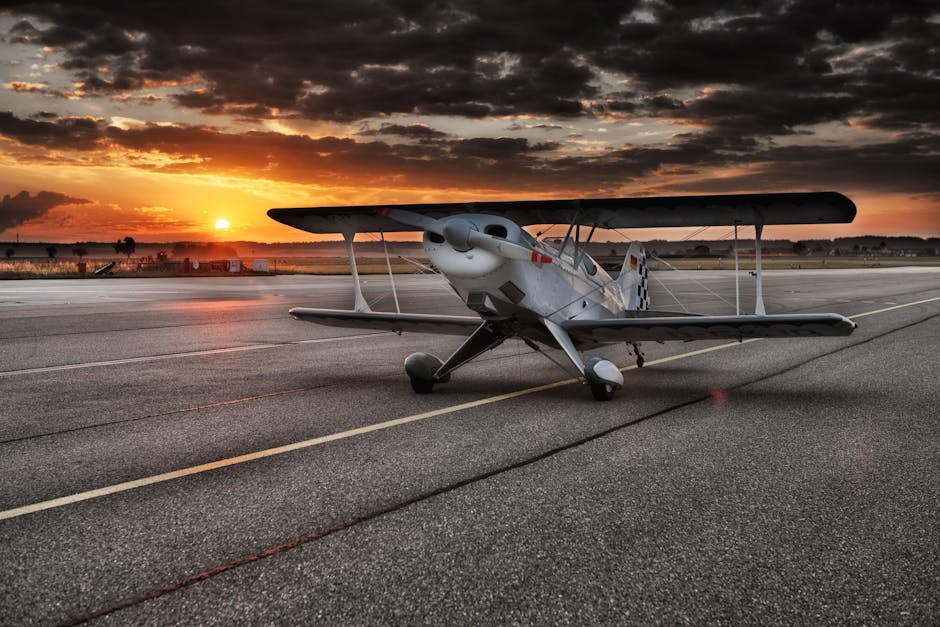

I should probably start with a disclaimer: aircraft restoration is expensive, complicated, heavily regulated, and time-consuming. If that hasn't put you off, read on. Because for those who pursue it, seeing a vintage aircraft fly again provides a thrill unlike anything else in the restoration world.
This isn't a how-to guide in the conventional sense. Aircraft restoration is too specialised, too safety-critical, and too dependent on professional involvement for that. What follows is an introduction to help you understand what's involved and whether it might be for you.
The regulatory reality
Aircraft restoration differs fundamentally from restoring a car or a piece of furniture because the finished product must be airworthy. This isn't optional or theoretical. All aircraft operating in UK airspace must hold a valid Certificate of Airworthiness or Permit to Fly, and achieving that requires restoration work conducted to CAA-approved standards with rigorous documentation and inspection.
Major restoration work should be conducted by CAA-approved organisations. Documentation is mandatory, detailed records of every piece of work done. Parts traceability matters because components must have appropriate certification. Qualified inspectors must sign off completed work at various stages.
This sounds bureaucratic, and it is, but it exists for good reasons. The consequences of getting aircraft restoration wrong are different from getting car restoration wrong. The regulatory framework exists to keep people alive.
Many vintage and homebuilt aircraft operate on Permits to Fly rather than full Certificates of Airworthiness. This allows more flexibility in maintenance but still requires oversight from bodies like the Light Aircraft Association. Aircraft of particular historical significance may qualify for specialist treatment through organisations like the Aircraft Restoration Company at Duxford.
Finding a project
Vintage aircraft don't turn up in barn finds the way cars sometimes do, though hangars occasionally yield surprises. Projects typically come from specific sources.
Recovered wrecks, particularly from World War II, provide the basis for some restorations. These are complex, expensive projects requiring significant fabrication, and they're often more about recreating than restoring.
Aircraft stored due to certification issues, owner illness, or business failure sometimes become available. These often present better starting points than wrecks because more original material exists and documentation is typically available.
Other enthusiasts' unfinished projects come to market periodically. Evaluate these carefully because inheriting someone else's problems can be frustrating, especially if their documentation is incomplete or their previous work doesn't meet standards.
Aircraft used for ground training, display, or parts donors may still contain restorable elements, though these require careful assessment of what remains useable.
Evaluation priorities
Documentation is critical. An aircraft's logbooks, maintenance records, and modification history determine its restoration potential and certification path. Aircraft without documentation face significant challenges and additional expense.
Structural condition requires professional assessment. Airframe corrosion, fatigue damage, and previous repairs all affect complexity and cost in ways that aren't obvious to casual inspection.
Research parts availability before committing. Some aircraft types have excellent parts support through the enthusiast community and specialist suppliers. Others require expensive fabrication of components that simply aren't available.
Engines deserve particular attention because they're often the most expensive single component. Assess engine condition and availability of rebuild parts. An engine that looks complete but needs parts that don't exist is effectively worthless.
Types of projects
Different categories suit different approaches and budgets.
Light aircraft like the Tiger Moth, Chipmunk, or Auster represent achievable projects for dedicated individuals. Parts availability is reasonable, expertise exists within the community, and costs, while significant, are manageable for committed private restorers.
Warbirds attract enormous interest but demand resources to match. Spitfire and Hurricane restorations require specialist facilities, substantial funding, and years of work. Smaller warbird types like the Harvard are more accessible but still represent major undertakings.
Vintage airliners like Douglas DC-3s occasionally appear as projects. Operating costs for restored examples are substantial, making these suitable mainly for organisations or wealthy enthusiasts.
Vintage homebuilt designs and early microlights offer more accessible entry points with simpler regulatory requirements and lower costs.
The restoration process
Aircraft restoration follows rigorous procedures prioritising safety and airworthiness. A qualified inspector conducts detailed condition assessment documenting structural integrity, corrosion extent, previous repair history, and missing or damaged components. Restoration specifications define goals: original configuration or period modification, flying or static display, documentation status, certification path.
Structural work proceeds systematically. Strip to bare structure, assess and repair or replace damaged elements, apply protective treatments, document everything thoroughly. Each system requires individual attention: flight controls, fuel systems, electrical systems, landing gear, instrumentation.
Engine work typically involves professional overhaul to approved standards, replacement of life-limited parts, and testing and certification. This isn't DIY territory.
Many vintage aircraft feature fabric covering that needs replacing. Approved finishing systems must be used, and period-appropriate colour schemes require research.
Community and support
Vintage aircraft restoration works best with community support. The Light Aircraft Association supports Permit aircraft owners with technical guidance, inspector networks, and activities that connect enthusiasts. Type-specific groups share expertise and help source parts. The Aircraft Restoration Company at Duxford specialises in warbird restoration and provides advice and training.
Many restoration skills can be learned through courses in fabric covering, basic sheet metal work, engine maintenance, and inspection. The LAA offers training pathways for those serious about involvement.
Being realistic about costs
Even simple vintage aircraft restorations cost tens of thousands of pounds. Complex warbird projects run to millions. Budget carefully and expect overruns because aircraft restoration always costs more than initial estimates.
Time commitment is substantial. Full restorations typically take years, not months. Be prepared for a long-term project.
The finished aircraft continues to cost money: annual inspections and maintenance, insurance (often expensive for vintage types), hangarage, fuel and operating costs. Restoring an aircraft without being able to afford operating it defeats the purpose.
Is it for you?
Aircraft restoration isn't for everyone. The costs are high, the regulations demanding, the time commitment substantial. Many people who think they want to restore an aircraft would actually be happier joining an organisation that owns and operates vintage types, contributing time and possibly money without taking on the full burden of ownership.
But for those who pursue it, seeing a vintage aircraft fly again, knowing you played a part in preserving aviation history, is extraordinary. Browse our aircraft listings if you're interested, but go in with eyes open about what you're undertaking.